
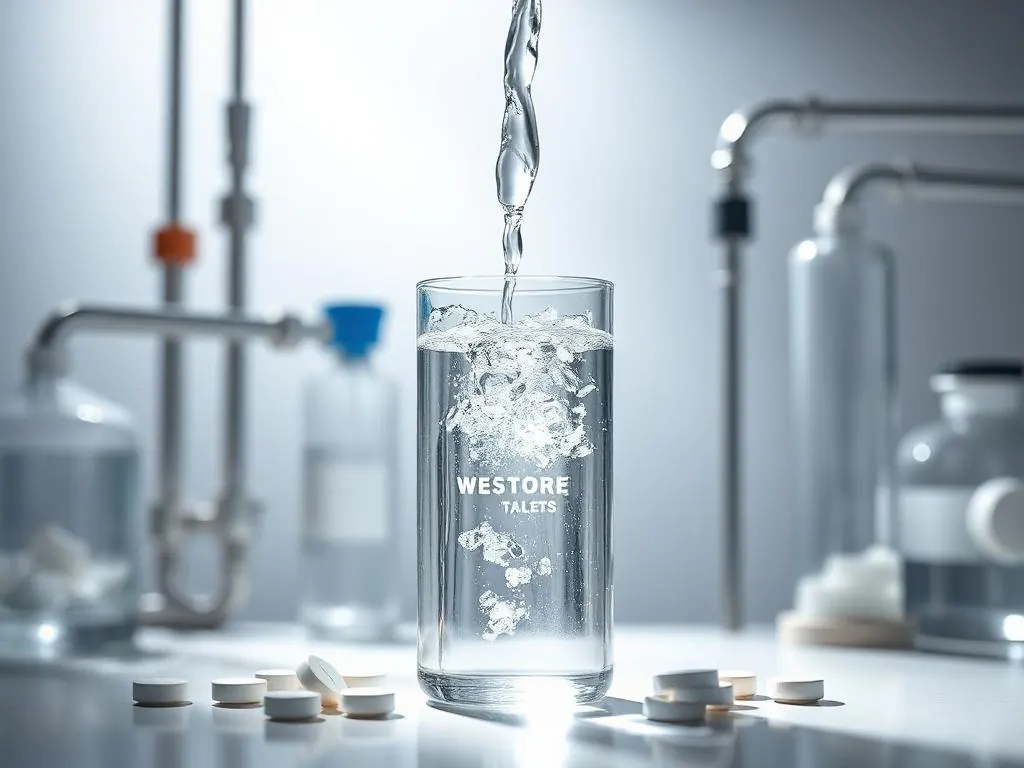
Responsible chemistry is the only chemistry worth scaling.
Our environmental, safety and quality programs are operational, not marketing — they show up on every COA, audit and shipment.
Industry-standard frameworks, applied to every batch
We benchmark against the chemical industry's most rigorous environmental, safety and governance standards — and publish what we measure.
Environmental responsibility
Scope 1, 2 and material Scope 3 emissions disclosed annually under the GHG Protocol. Solvent recovery loops at both blending sites reach 92% reuse on average.
Process & product safety
Aligned with the ACC Responsible Care® Management System. Every SKU ships with a GHS-compliant SDS in up to 17 languages and DOT/IMDG-trained DGSAs coordinate hazmat movements.
Quality control
ISO 9001:2015 quality management with inline analytics on every blending line and an independent QC lab that retains two-year retention samples of every batch.
Circular chemistry
Closed-loop solvent recovery, recyclable IBC and drum return programs, and reformulation services that help customers cut virgin feedstock use.
Regulatory compliance
REACH, TSCA, K-REACH, CLP, FSSC 22000 v6, FAMI-QS, Kosher, Halal and GMP+ programs maintained by an in-house regulatory desk across 40+ jurisdictions.
Ethical supply chain
Tier-1 manufacturer audits every 24 months, conflict-mineral declarations, EcoVadis disclosure, and a Supplier Code of Conduct aligned with the UN Global Compact.
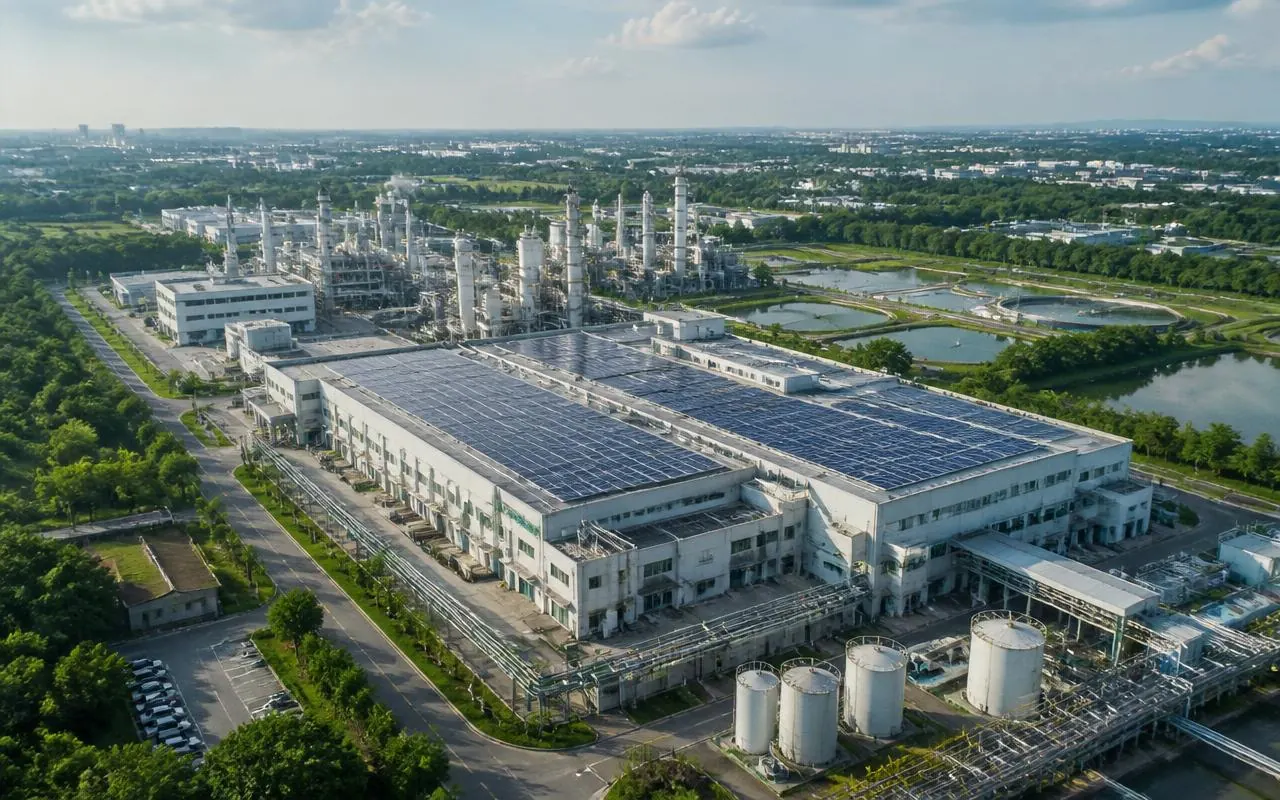
On a credible path to net-zero by 2045
Our climate transition plan is built on the Science Based Targets initiative (SBTi) methodology, the GHG Protocol and TCFD-aligned disclosure. Rooftop solar, on-site cogeneration and PPAs already offset 41% of our electricity load.
Scope 1+2 since 2022
Renewable electricity
Solvent recovered & reused
The 12 Principles of Green Chemistry guide every reformulation
Our R&D team applies the Anastas & Warner principles when designing new blends — minimising hazardous reagents, maximising atom economy, and selecting solvents from the CHEM21 selection guide. Where customer specifications allow, we substitute toward safer alternatives published on the ECHA Candidate List.
- Catalytic over stoichiometric reagents
- Bio-based feedstocks where qualified
- Reduced derivative steps
- In-process pollution prevention
- Real-time analysis to prevent waste
- Inherently safer chemistry for accident prevention

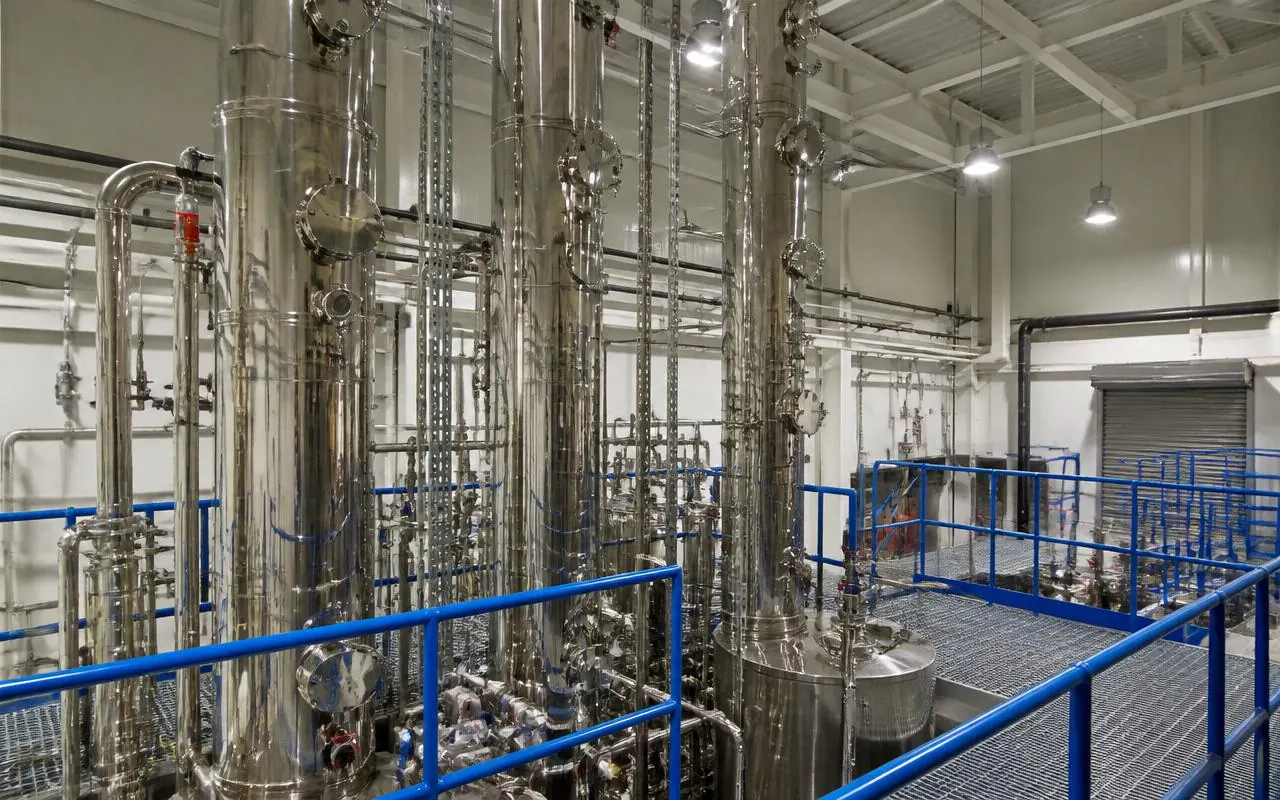
Closed-loop solvent recovery and zero liquid discharge readiness
Spent solvents are condensed and re-distilled on-site instead of incinerated. Process wastewater is treated through a multi-stage train — pH neutralisation, coagulation, biological treatment and reverse osmosis — meeting or exceeding US EPA Effluent Limitation Guidelines for the Organic Chemicals subcategory.
Water intensity vs. 2020
Solvent recovered in 2025
Pilot at Wilmington site
Audited, certified and globally recognised
Independent third-party verification across quality, environment, safety and food chain.
Quality Management
Environmental Management
Occupational Health & Safety
Food Safety System Certification
ACC Management System
EU & US Substance Compliance
Feed Additive Quality
Feed Production
Religious Certifications
Sustainability Rating
Six science-based commitments we report on each year
Progress is published in our annual Sustainability Report, prepared in accordance with the GRI Standards and reviewed by independent assurance.
Scope 1+2 emissions vs. 2022 baseline
Renewable electricity at owned sites
Solvent recovery & reuse rate
Freshwater withdrawal intensity
Hazardous waste to landfill
Tier-1 suppliers ESG-assessed
Frameworks we report against
We align disclosure with the standards your procurement, ESG and audit teams already use.
- UN Global Compact
- UN Sustainable Development Goals
- GHG Protocol (Scope 1, 2, 3)
- Task Force on Climate-related Financial Disclosures (TCFD)
- Global Reporting Initiative (GRI) Standards
- SASB Chemicals Industry Standard
People, safety & community
A zero-harm culture, fair labour, and active engagement with the communities around our sites.
Reportable safety incidents (2025)
TRIR — total recordable incident rate
Workforce annual EHS training
Women in technical roles
Need our latest Sustainability Report or ESG questionnaire?
Our regulatory and ESG team responds to EcoVadis, CDP, SAQ and customer-specific questionnaires within five business days.